posted in

Hydration Essentialsโ€”Optimizing Fluid and Electrolyte Balance for Endurance Success
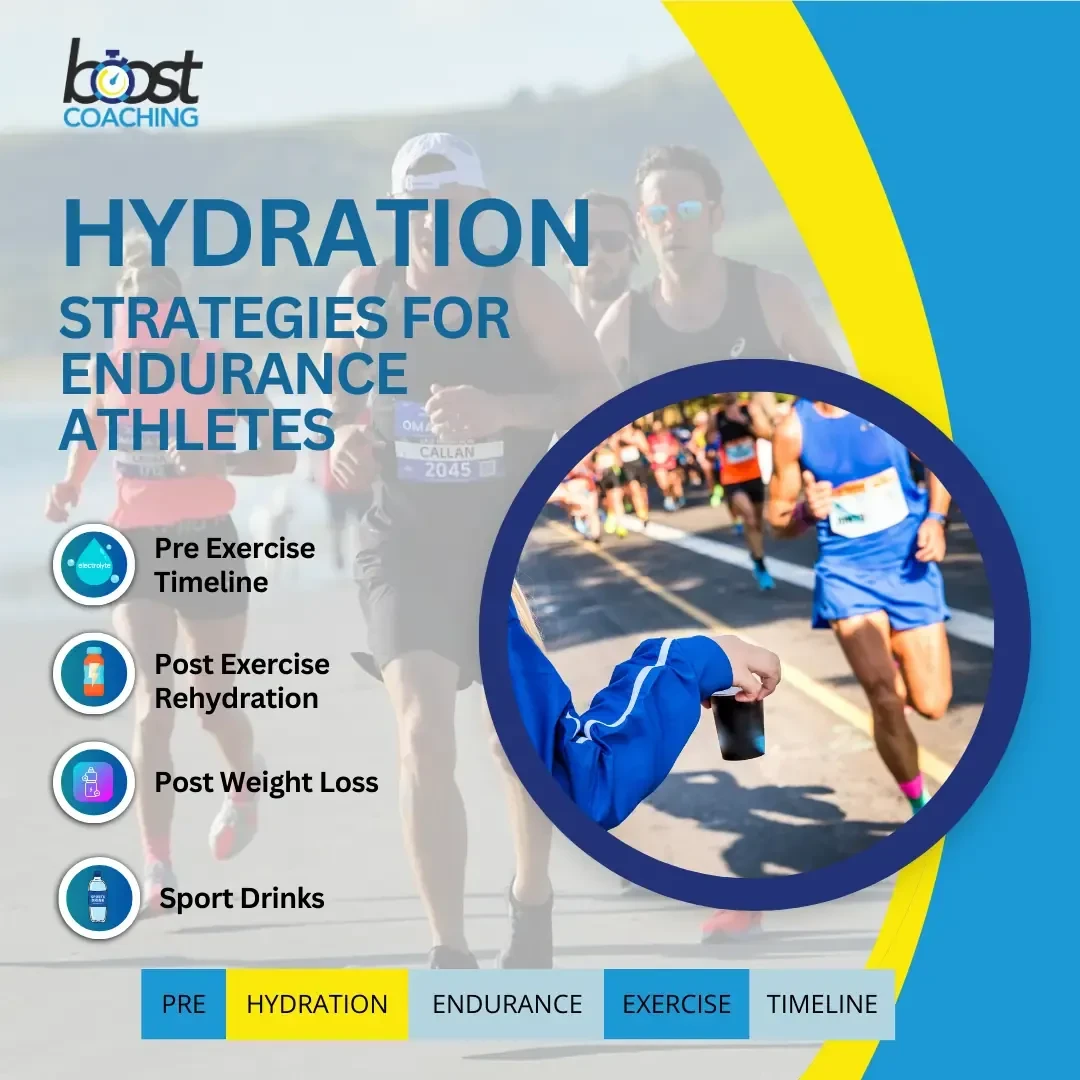
@everyone ๐—›๐˜†๐—ฑ๐—ฟ๐—ฎ๐˜๐—ถ๐—ผ๐—ป ๐—˜๐˜€๐˜€๐—ฒ๐—ป๐˜๐—ถ๐—ฎ๐—น๐˜€โ€”O๐—ฝ๐˜๐—ถ๐—บ๐—ถ๐˜‡๐—ถ๐—ป๐—ด ๐—™๐—น๐˜‚๐—ถ๐—ฑ ๐—ฎ๐—ป๐—ฑ ๐—˜๐—น๐—ฒ๐—ฐ๐˜๐—ฟ๐—ผ๐—น๐˜†๐˜๐—ฒ ๐—•๐—ฎ๐—น๐—ฎ๐—ป๐—ฐ๐—ฒ ๐—ณ๐—ผ๐—ฟ ๐—˜๐—ป๐—ฑ๐˜‚๐—ฟ๐—ฎ๐—ป๐—ฐ๐—ฒ ๐—ฆ๐˜‚๐—ฐ๐—ฐ๐—ฒ๐˜€๐˜€
Proper hydration is a cornerstone of endurance performance. Balancing fluid and electrolyte intake before, during, and after exercise ensures optimal physiological function and prevents performance decline.โ€‹

๐—ฃ๐—ฟ๐—ฒ-๐—˜๐˜…๐—ฒ๐—ฟ๐—ฐ๐—ถ๐˜€๐—ฒ ๐—›๐˜†๐—ฑ๐—ฟ๐—ฎ๐˜๐—ถ๐—ผ๐—ป
Begin hydrating well before your workout. Consume approximately 500 ml of electrolyte-rich fluids per hour in the 2โ€“3 hours leading up to your session. This practice helps establish a fluid reserve and maintains electrolyte balance.

๐——๐˜‚๐—ฟ๐—ถ๐—ป๐—ด ๐—˜๐˜…๐—ฒ๐—ฟ๐—ฐ๐—ถ๐˜€๐—ฒ
Monitor your sweat rate and environmental conditions to determine fluid needs. Incorporate electrolyte beverages containing sodium, potassium, and other essential minerals to replace losses through sweat and support muscle function.

๐—ฃ๐—ผ๐˜€๐˜-๐—˜๐˜…๐—ฒ๐—ฟ๐—ฐ๐—ถ๐˜€๐—ฒ ๐—ฅ๐—ฒ๐—ต๐˜†๐—ฑ๐—ฟ๐—ฎ๐˜๐—ถ๐—ผ๐—ป
After training, aim to replenish fluids lost by drinking 1.5 times the amount of weight lost during exercise. Including electrolytes in your post-exercise hydration aids in quicker recovery and restores balance.

๐—”๐˜ƒ๐—ผ๐—ถ๐—ฑ๐—ถ๐—ป๐—ด ๐—–๐—ผ๐—บ๐—บ๐—ผ๐—ป ๐—ฃ๐—ถ๐˜๐—ณ๐—ฎ๐—น๐—น๐˜€
Overhydration can be as detrimental as dehydration, potentially leading to hyponatremia. Listen to your body's signals, and adjust intake based on thirst, urine color, and volume.

Hydration Essentialsโ€”Optimizing Fluid and Electrolyte Balance for Endurance Success

posted in

๐—™๐˜‚๐—ฒ๐—น๐—ถ๐—ป๐—ด ๐—ฌ๐—ผ๐˜‚๐—ฟ ๐—˜๐—ป๐—ฑ๐˜‚๐—ฟ๐—ฎ๐—ป๐—ฐ๐—ฒโ€”M๐—ฎ๐˜€๐˜๐—ฒ๐—ฟ๐—ถ๐—ป๐—ด ๐—–๐—ฎ๐—ฟ๐—ฏ๐—ผ๐—ต๐˜†๐—ฑ๐—ฟ๐—ฎ๐˜๐—ฒ ๐—œ๐—ป๐˜๐—ฎ๐—ธ๐—ฒ ๐—ณ๐—ผ๐—ฟ ๐—ฃ๐—ฒ๐—ฎ๐—ธ ๐—ฃ๐—ฒ๐—ฟ๐—ณ๐—ผ๐—ฟ๐—บ๐—ฎ๐—ป๐—ฐ๐—ฒ ๐—˜๐˜ƒ๐—ฒ๐—ป ๐—œ๐—ป ๐—ง๐—ต๐—ฒ ๐—ข๐—ณ๐—ณ ๐—ฆ๐—ฒ๐—ฎ๐˜€๐—ผ๐—ป

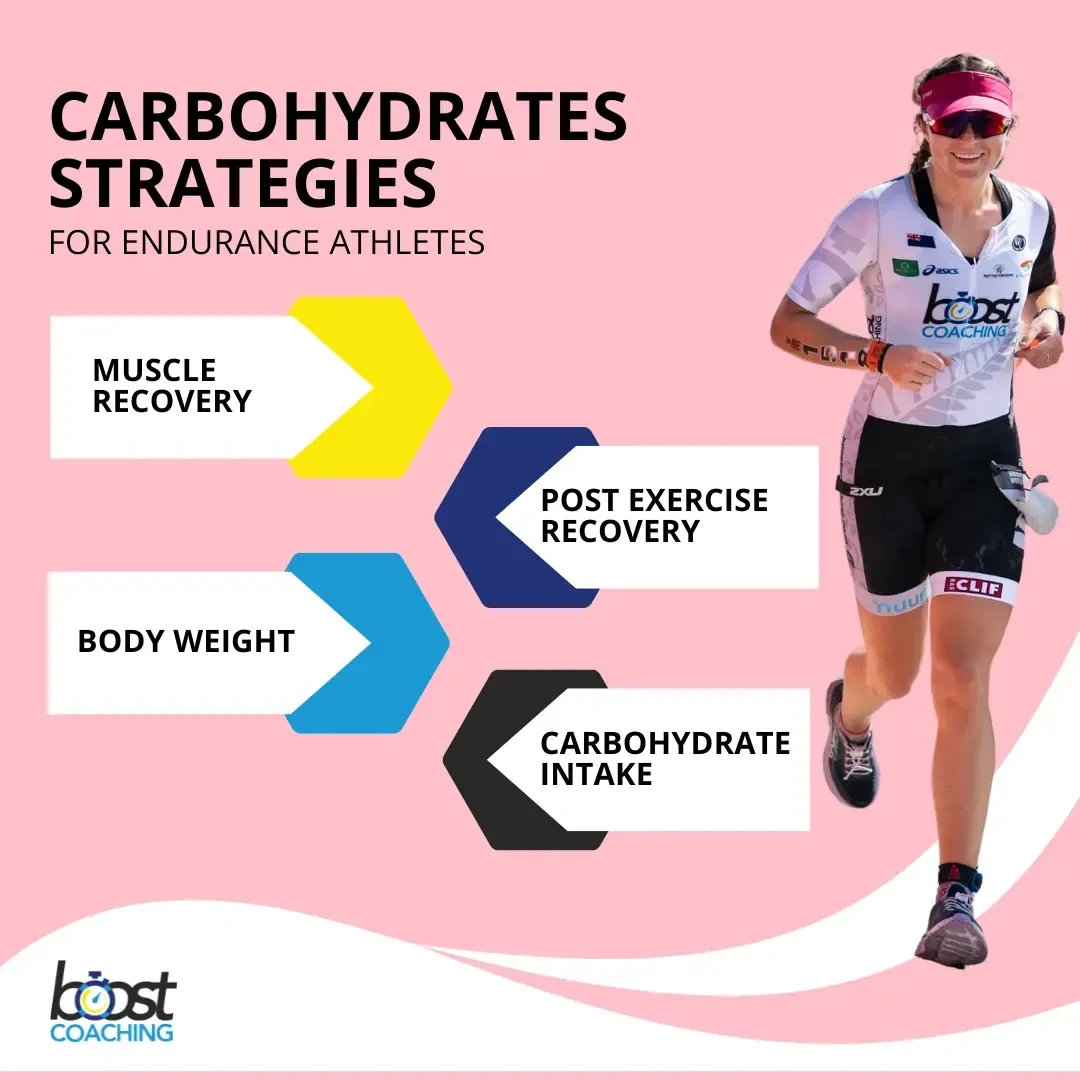
@everyone ๐—™๐˜‚๐—ฒ๐—น๐—ถ๐—ป๐—ด ๐—ฌ๐—ผ๐˜‚๐—ฟ ๐—˜๐—ป๐—ฑ๐˜‚๐—ฟ๐—ฎ๐—ป๐—ฐ๐—ฒโ€”M๐—ฎ๐˜€๐˜๐—ฒ๐—ฟ๐—ถ๐—ป๐—ด ๐—–๐—ฎ๐—ฟ๐—ฏ๐—ผ๐—ต๐˜†๐—ฑ๐—ฟ๐—ฎ๐˜๐—ฒ ๐—œ๐—ป๐˜๐—ฎ๐—ธ๐—ฒ ๐—ณ๐—ผ๐—ฟ ๐—ฃ๐—ฒ๐—ฎ๐—ธ ๐—ฃ๐—ฒ๐—ฟ๐—ณ๐—ผ๐—ฟ๐—บ๐—ฎ๐—ป๐—ฐ๐—ฒ ๐—˜๐˜ƒ๐—ฒ๐—ป ๐—œ๐—ป ๐—ง๐—ต๐—ฒ ๐—ข๐—ณ๐—ณ ๐—ฆ๐—ฒ๐—ฎ๐˜€๐—ผ๐—ป
Often in the โ€œoff season Iโ€™ll see and hear thatโ€ endurance athletes grapple with the challenge of sustaining energy during prolonged training sessions. This can be due to temperature changes and being less diligent in our preparation. Our approach to the off-season is just as important to build a pivotal strategy to combat fatigue and maintain performance by optimising carbohydrate intake.

๐—ช๐—ต๐˜† ๐—–๐—ฎ๐—ฟ๐—ฏ๐—ผ๐—ต๐˜†๐—ฑ๐—ฟ๐—ฎ๐˜๐—ฒ๐˜€ ๐— ๐—ฎ๐˜๐˜๐—ฒ๐—ฟ
Carbohydrates are the body's primary energy source during endurance activities. Consuming adequate carbohydrates helps maintain blood glucose levels and delays the onset of fatigue. For training and events lasting longer than an hour, it's recommended to ingest:โ€‹

30โ€“60 grams of carbohydrates per hour for activities up to 3 hours.โ€‹
60โ€“90+ grams per hour for sessions exceeding 3 hours, especially when using multiple carbohydrate sources like glucose and fructose to enhance absorption.

๐—œ๐—บ๐—ฝ๐—น๐—ฒ๐—บ๐—ฒ๐—ป๐˜๐—ถ๐—ป๐—ด ๐—˜๐—ณ๐—ณ๐—ฒ๐—ฐ๐˜๐—ถ๐˜ƒ๐—ฒ ๐—™๐˜‚๐—ฒ๐—น๐—ถ๐—ป๐—ด ๐—ฆ๐˜๐—ฟ๐—ฎ๐˜๐—ฒ๐—ด๐—ถ๐—ฒ๐˜€
Incorporate a mix of carbohydrate sources such as energy gels, sports drinks, and carbohydrate-rich snacks. Testing these during training helps identify what works best for your body, minimising gastrointestinal discomfort on race day.

๐—ฃ๐—ผ๐˜€๐˜-๐—˜๐˜…๐—ฒ๐—ฟ๐—ฐ๐—ถ๐˜€๐—ฒ ๐—ฅ๐—ฒ๐—ฐ๐—ผ๐˜ƒ๐—ฒ๐—ฟ๐˜†
After intense sessions, replenishing glycogen stores is crucial. Aim to consume 1.0โ€“1.2 grams of carbohydrates per kilogram of body weight per hour for the first 4 hours post-exercise to optimise recovery.

๐—ฃ๐—ฒ๐—ฟ๐˜€๐—ผ๐—ป๐—ฎ๐—น๐—ถ๐˜€๐—ถ๐—ป๐—ด ๐—ฌ๐—ผ๐˜‚๐—ฟ ๐—ฃ๐—น๐—ฎ๐—ป
Individual needs vary based on factors like body weight, training intensity, and environmental conditions. Working with a sports nutritionist can help tailor a carbohydrate strategy that suits your specific requirements, alongside documenting your nutritional intake before including the timing of the nutrition, during your training and post-workout. These notes can be very useful for reflection and insights into your performances in training to help your racing results.

๐—™๐˜‚๐—ฒ๐—น๐—ถ๐—ป๐—ด ๐—ฌ๐—ผ๐˜‚๐—ฟ ๐—˜๐—ป๐—ฑ๐˜‚๐—ฟ๐—ฎ๐—ป๐—ฐ๐—ฒโ€”M๐—ฎ๐˜€๐˜๐—ฒ๐—ฟ๐—ถ๐—ป๐—ด ๐—–๐—ฎ๐—ฟ๐—ฏ๐—ผ๐—ต๐˜†๐—ฑ๐—ฟ๐—ฎ๐˜๐—ฒ ๐—œ๐—ป๐˜๐—ฎ๐—ธ๐—ฒ ๐—ณ๐—ผ๐—ฟ ๐—ฃ๐—ฒ๐—ฎ๐—ธ ๐—ฃ๐—ฒ๐—ฟ๐—ณ๐—ผ๐—ฟ๐—บ๐—ฎ๐—ป๐—ฐ๐—ฒ ๐—˜๐˜ƒ๐—ฒ๐—ป ๐—œ๐—ป ๐—ง๐—ต๐—ฒ ๐—ข๐—ณ๐—ณ ๐—ฆ๐—ฒ๐—ฎ๐˜€๐—ผ๐—ป

posted in

Sweat Test - Cycling or Running

Sweat Test Calculator

I've had some good conversations recently with a few people regarding hydration and sodium target goals for their events. It's hard to know for certain the exact numbers but you can start to build a better understanding of what you should be doing by completing a Sweat Test. As the temperatures for our training sessions continue to get hotter this gets more and more important.

" The body is approximately 60% water. Studies have shown that just a small amount of dehydration can have negative effects on athletic performance and may predispose them to heat illnesses. Dehydration occurs when fluid loss (via sweat, urine and through respiration) is greater than fluid intake (via drinking and food).

Sweat rate calculations determine how much fluid an athlete should consume during a training session by calculating the amount of fluid that is expelled through sweat during exercise. Sweat rate is specific to the discipline being tested, so athletes should conduct this test for swimming, biking and running. "

IMO: Swimming - while it's useful to understand this, we can't rehydrate during swims, it helps us to understand what we might have to add into our ride to start rehydration earlier!

Scroll to load more

Back

posted in

Nutrition

Sweat Test - Cycling or Running

Sweat Test Calculator

I've had some good conversations recently with a few people regarding hydration and sodium target goals for their events. It's hard to know for certain the exact numbers but you can start to build a better understanding of what you should be doing by completing a Sweat Test. As the temperatures for our training sessions continue to get hotter this gets more and more important.

" The body is approximately 60% water. Studies have shown that just a small amount of dehydration can have negative effects on athletic performance and may predispose them to heat illnesses. Dehydration occurs when fluid loss (via sweat, urine and through respiration) is greater than fluid intake (via drinking and food).

Sweat rate calculations determine how much fluid an athlete should consume during a training session by calculating the amount of fluid that is expelled through sweat during exercise. Sweat rate is specific to the discipline being tested, so athletes should conduct this test for swimming, biking and running. "

IMO: Swimming - while it's useful to understand this, we can't rehydrate during swims, it helps us to understand what we might have to add into our ride to start rehydration earlier!