You don't have access to this location

Back

posted in

Technical Help

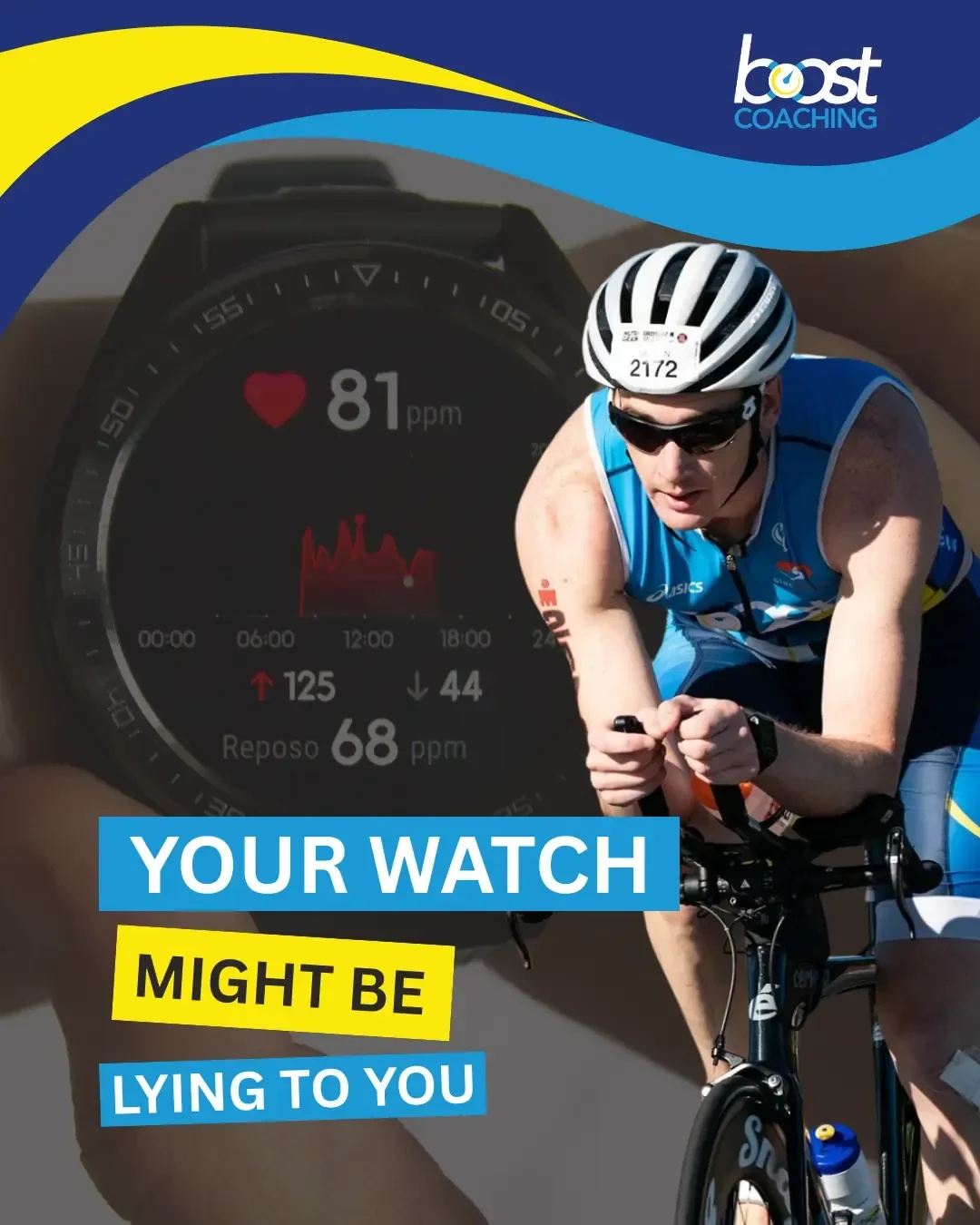
๐—ฌ๐—ผ๐˜‚๐—ฟ ๐—ช๐—ฎ๐˜๐—ฐ๐—ต ๐— ๐—ถ๐—ด๐—ต๐˜ ๐—•๐—ฒ ๐—Ÿ๐˜†๐—ถ๐—ป๐—ด ๐—ง๐—ผ ๐—ฌ๐—ผ๐˜‚

@everyone โ€œ๐—ฌ๐—ผ๐˜‚๐—ฟ ๐—ช๐—ฎ๐˜๐—ฐ๐—ต ๐— ๐—ถ๐—ด๐—ต๐˜ ๐—•๐—ฒ ๐—Ÿ๐˜†๐—ถ๐—ป๐—ด ๐—ง๐—ผ ๐—ฌ๐—ผ๐˜‚"
Wrist-Based Heart Rate Monitors Could Be Costing Your Results

If you are new to triathlon or endurance sports this is pretty important to know now, so come to race day you have the right data to work with.

This is especially important in two main scenarios

1. If youโ€™re using a smart trainer with a power meter indoors and then switching to heart rate as your main metric for measuring cycling intensity outdoors.
2. If you are using Heart Rate to measure run intensity. This is especially useful when โ€œPaceโ€ metrics arenโ€™t as relevant, for example off off-road running. Iโ€™ve seen big swings in heart rate which are not related to the intensity an individual is putting in when individuals are using wrist-based heart rate monitors

๐—”๐—ฐ๐—ฐ๐˜‚๐—ฟ๐—ฎ๐—ฐ๐˜† ๐—บ๐—ฎ๐˜๐˜๐—ฒ๐—ฟ๐˜€ ๐—ฏ๐˜‚๐˜ ๐—ต๐—ฒ๐—ฟ๐—ฒโ€™๐˜€ ๐˜๐—ต๐—ฒ ๐—ถ๐˜€๐˜€๐˜‚๐—ฒ:

1. Wrist-based heart rate monitors often fall short during intense or bumpy activity.
2. They rely on light sensors to estimate heart rate, not direct signals from the heart.
3. Studies show their readings can be off by 5โ€“10 beats per minute, especially during running.
4. The errors arenโ€™t consistent. One day it might be slightly low, another day wildly high.

๐—ช๐—ต๐˜† ๐˜๐—ต๐—ถ๐˜€ ๐—บ๐—ฎ๐˜๐˜๐—ฒ๐—ฟ๐˜€:

1. If your aerobic threshold is 150 bpm, a 5% error could mean training at 157 bpm.
2. That small shift could reduce recovery, affect adaptations, or hurt race performance.
3. You wonโ€™t know if your workout hit the right zone, or just felt hard.

๐—ช๐—ต๐—ฎ๐˜ ๐˜๐—ผ ๐—ฑ๐—ผ ๐—ถ๐—ป๐˜€๐˜๐—ฒ๐—ฎ๐—ฑ:

1. Use a chest strap or armband for outdoor sessions. Itโ€™s closer to 100% accurate.
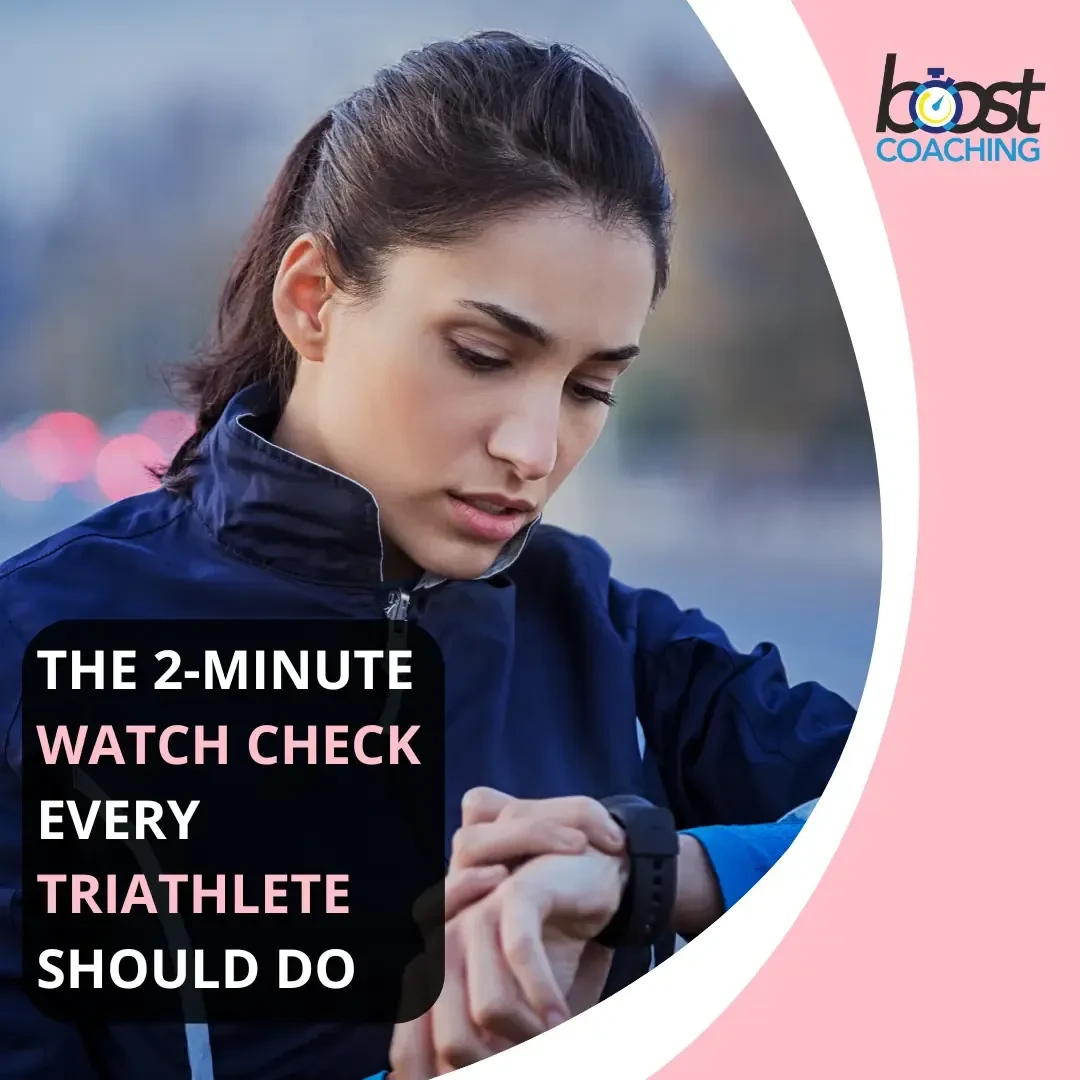
2. Compare your devices: try 6 x 1-minute hard intervals with your watch and a chest strap. Do they match?
3. If your heart rate data looks random or off, trust the chest strap โ€” not your wrist.

๐—•๐—ฒ๐—ณ๐—ผ๐—ฟ๐—ฒ ๐˜†๐—ผ๐˜‚๐—ฟ ๐—ป๐—ฒ๐˜…๐˜ ๐—ฏ๐—ถ๐—ด ๐˜๐—ฟ๐—ฎ๐—ถ๐—ป๐—ถ๐—ป๐—ด ๐—ฏ๐—น๐—ผ๐—ฐ๐—ธ ๐—ผ๐—ฟ ๐—ฒ๐˜ƒ๐—ฒ๐—ป๐˜ ๐—ฝ๐—ฟ๐—ฒ๐—ฝ, ๐˜๐—ฎ๐—น๐—ธ ๐˜„๐—ถ๐˜๐—ต ๐˜†๐—ผ๐˜‚๐—ฟ ๐—ฐ๐—ผ๐—ฎ๐—ฐ๐—ต.

๐—”๐˜€๐—ธ:

* What heart rate data do you need to guide my training?
* Are my current tools giving us accurate info?
* What can I improve to hit my race goals?

A few beats off might not seem like much, until it is.

๐—ฌ๐—ผ๐˜‚๐—ฟ ๐—ช๐—ฎ๐˜๐—ฐ๐—ต ๐— ๐—ถ๐—ด๐—ต๐˜ ๐—•๐—ฒ ๐—Ÿ๐˜†๐—ถ๐—ป๐—ด ๐—ง๐—ผ ๐—ฌ๐—ผ๐˜‚